
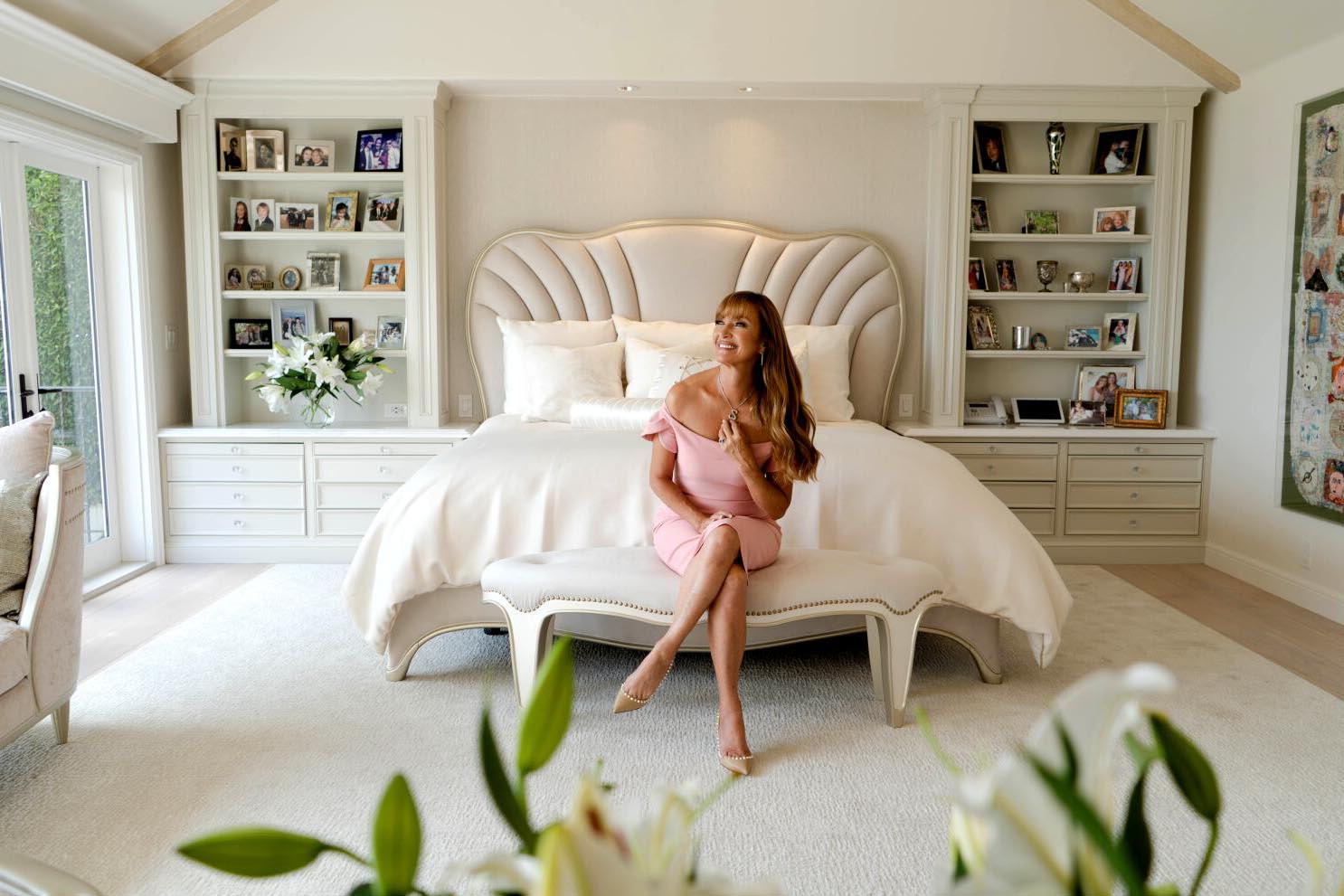
Design Inspiration Reflected in the Home of Jane Seymour
Walking into the home of a seasoned artist like Jane Seymour feels like stepping into a living autobiography. Each room expresses stories through design rather than written words. Many people across the world look for design ideas that feel personal and meaningful. Her style offers a rare look at how a living space can reflect the deeper parts of someone’s life, a journey beautifully captured in the life and career of Jane Seymour. It reaches beyond decoration and moves toward building a place filled with warmth, artistry, and emotional connection.
Quick Overview
Jane Seymour’s home design approach blends art, comfort, and nature. Each room is built with meaning, shaped by travel, creativity, and family. Her style shows how homes around the world can feel more expressive and personal.
Key themes include:
- Art displayed as part of daily life
- A balance of elegance and comfort
- A strong connection between indoor and outdoor spaces
- Colors and textures chosen to support mood and purpose
- Personal items used as storytelling elements
The Foundation of Her Design Philosophy
Jane Seymour’s home reflects a life shaped by creativity, travel, and loved ones. Every part of her space has a purpose. It balances classic beauty with a comforting atmosphere that invites people to gather. Her passion for art, from discovering her talent to mastering various forms, is a central theme, as explored in her artistic journey. Many homeowners worldwide seek this balance today, especially as living spaces have also become areas for work, leisure, and reflection.
Her design process begins with emotion. She chooses items that matter to her, then builds each room around those pieces. She values natural light, open movement, and meaningful collections. This approach creates a home that supports daily routines and nurtures personal interests. The presence of art, plants, and textured materials forms a setting that feels alive and connected to the natural world.
Art as the Heart of Each Room
Art plays a central role in her home. As a painter, she treats her space as both a refuge and a gallery. The walls and surfaces hold her own works, along with pieces from others she admires. This creates an environment where creativity surrounds every moment. Her paintings, often inspired by flowers, landscapes, and abstract themes, including the symbolic roses in her art, are placed with careful attention. They match the energy of the room rather than overpower it. People anywhere in the world can adapt this idea by displaying artworks that speak to personal memories, local culture, or meaningful milestones.
Art in her home is not limited to flat walls. Sculptures, ceramic pieces, and textured forms also fill the space. These objects bring dimension and invite touch and interaction. A quiet corner may hold a small sculpture, while a shelf may feature a piece collected during her travels. This method encourages homeowners to bring art into daily life instead of treating it as something distant or formal.
Balancing Style and Comfort
Many homes aim for elegance but end up feeling stiff. Others focus on comfort but lose the sense of refinement. Jane Seymour manages to merge both successfully. Her rooms show classic elements yet remain inviting.
She uses sturdy, graceful furniture with soft accents. A formal living room may include a large, deep sofa rather than rigid chairs. This encourages conversation and relaxation. Around the world, more designers are adopting this idea by mixing traditional frameworks with cozy layers.
Texture is a major tool in her approach. Smooth materials such as polished wood or marble sit beside soft fabrics like velvet and wool. These contrasts give rooms visual depth and create a welcoming touch. Antique items are also placed where they can be appreciated, blending history with modern comfort. This combination shows that a home can carry stories from the past while still feeling fresh.
Blending Indoor and Outdoor Spaces
One of the strongest themes in her home is the connection to nature. This idea resonates globally, especially as many people value calm surroundings that support well-being. She brings the outdoors into her living areas in subtle and graceful ways.
Large windows fill her rooms with daylight. They open to garden views or natural landscapes, depending on the setting. This creates a feeling of openness and continuity. By allowing sunlight in, the home feels warm and welcoming without extra effort.
Doors leading to patios, balconies, or gardens act as gentle transitions between spaces. Outdoor areas receive the same attention as indoor rooms. Comfortable seating, outdoor fireplaces, and soft lighting build a relaxing environment. Many homeowners around the world are adopting similar ideas to expand living space without construction.
Plants and flowers also appear throughout her home. They add color, movement, and freshness. Even small indoor plants can brighten a room or soften a corner. This approach shows how nature can enrich a home in any climate or culture.
How Color, Texture, and Light Shape Each Space
Every room in her home has a distinct character shaped by color choices, materials, and lighting. She does not limit herself to a single palette. Instead, she chooses colors based on the intended energy of the space.
Formal rooms often use soft and calm shades like cream, warm neutrals, or earthy tones. These colors set a serene and collected mood. Creative areas, such as her studio, may feature brighter shades that reflect her artistic spirit. This range shows how color can support different activities within one home.
Textures add another layer of expression. She blends natural materials like wood and stone with fabrics that provide comfort. Woven rugs, carved furniture, and layered textiles give each room a sense of depth. Many global design trends highlight this technique because it suits both modern and traditional homes.
Lighting, too, plays a vital role. Sunlight is used whenever possible. Artificial lighting is chosen for both function and style. Lamps, chandeliers, and soft accent lights create zones that suit reading, conversation, or rest. By controlling the brightness and placement of light, she enhances artwork and draws attention to architectural details.
Personal Stories Woven Into the Design
A house becomes a true home when it carries stories that matter to the people living in it. Jane Seymour places emotional value at the center of her design. Every corner holds reminders of her life, family, and travels.
Framed family photos sit on tables or walls. Small pieces collected during trips show global influence. Gifts from friends, items connected to her career, and sentimental keepsakes appear naturally throughout each room.
She also includes antiques and vintage items that add depth. A dresser found in a European market may sit beside a modern artwork, creating a meaningful contrast. Many people around the world appreciate this blend because it avoids the “showroom” look and instead builds a sense of history.
Inspiration for Homes Around the World
Her style shows that building a home is an ongoing process. People grow, interests change, and the home evolves with them, reflecting historical influences and modern interior design trends. This idea resonates with homeowners everywhere who want spaces that adapt to their lives.
Homeowners looking for inspiration can learn much from her approach. It does not require a large budget or professional training. What matters most is intention and authenticity.
Start with color. Choose shades that bring calm or joy into your space. A few accent items such as pillows, artwork, or small decor pieces can transform a room.
Next, give art a meaningful place in your home. Whether it is a child’s drawing, a photograph from a trip, or a piece from a local artist, art brings depth and personality into any space.
Comfort should always be a priority. Choose furniture that supports relaxation. Add soft fabrics and warm textures to make daily life more pleasant.
Plants and natural light can improve mood and energy. Simple changes, such as opening curtains or placing greenery near a window, can brighten a space.
Lastly, weave personal items into the design. Pieces with emotional value make a home feel grounded in real experiences. Every object can tell a story that enriches your environment.
A Home Filled With Meaning
Jane Seymour’s home design reflects a way of living that values beauty, comfort, and personal connection. It shows how homes worldwide can become places that support growth and creativity. Her style teaches that a living space is more than a shelter. It is a reflection of our memories, passions, and the parts of life we hold dear. Through thoughtful design, a home becomes a sanctuary filled with warmth and character.