
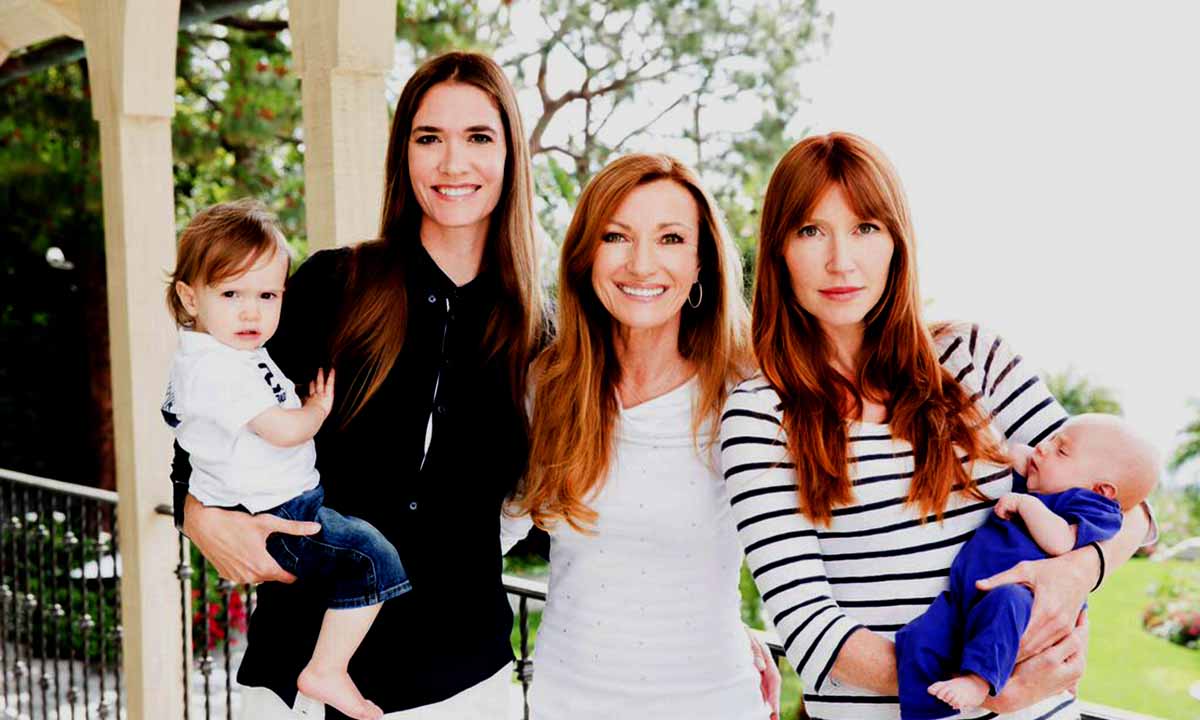
Jane Seymour as Mother and Grandmother: Family Values Beyond the Screen
Fame often creates distance between public figures and everyday family life. Jane Seymour stands apart from that pattern. Her career in film and television brought global recognition, yet her personal world reflects steady devotion to family. Beyond awards and defining career roles, she remains deeply present as a mother and grandmother.
Her remarkable life story resonates across cultures. It shows how personal values guide daily choices, even within demanding careers. Jane Seymour’s experience sends a clear message: professional success carries greater meaning when rooted in close family relationships.
This article explores Jane Seymour’s role as a parent and grandparent alongside her international acting career. It highlights how she maintained strong family bonds while working in the public eye.
It also looks at her views on parenting, creative growth, emotional resilience, and the family traditions that shaped multiple generations.
Early Years of Motherhood and Personal Responsibility
Motherhood reshaped Jane Seymour’s life in lasting ways. Born in 1951, she became a parent during periods of personal growth and professional change. She has four children, each arriving at a different stage of her adult life. Despite these changes, her commitment to each child remained steady.
For her, parenting centered on presence rather than perfection. She created space for shared meals, conversations, and daily routines. Career demands never erased her role at home. When needed, she adjusted schedules and declined certain opportunities. These decisions reflected long-term thinking instead of short-term visibility.
Independence also played a key role in her parenting style. Her children were encouraged to express opinions, explore interests, and build confidence. Creativity and responsibility shaped the household environment. Through her actions, she showed that guidance and trust can exist side by side.
Managing Public Work While Staying Grounded at Home
An acting career brings travel, public attention, and extended workdays. Jane Seymour approached these realities with structure and honesty. Family life remained integrated into her schedule rather than separated from it.
At times, her children joined her on set. This helped them understand her profession instead of viewing it as absence. They observed preparation, teamwork, and discipline in real time. That exposure built respect for effort rather than fascination with attention.
Clear communication also mattered. She spoke openly about time limits and professional obligations. This openness reduced emotional distance and built trust. Her experience shows that parenting and ambition can coexist when priorities remain consistent and transparent.
A New Role as Grandmother and Emotional Guide
Becoming a grandmother opened a new chapter defined by warmth and patience. With ten grandchildren, Jane Seymour found renewed joy in simple, shared moments. Her role shifted from structured guidance to emotional presence and encouragement.
Time with grandchildren focused on connection. Art projects, storytelling, outdoor walks, and imaginative play filled her days. These moments supported emotional safety rather than routine. Listening carried as much value as speaking.
Her home became a gathering place. Laughter and curiosity shaped the atmosphere. Each child felt accepted, regardless of age or personality. This environment allowed confidence to grow naturally within family bonds.
Parenting Philosophy Shaped by Experience
Jane Seymour’s approach to family life rests on respect and emotional awareness. She believes children grow best when trusted. Guidance supports growth, yet control does not define it. This belief shaped how she interacted with both children and grandchildren.
Lessons emerged through example rather than instruction. Personal setbacks became moments for reflection and learning. She spoke honestly about effort, resilience, and growth without judgment.
Emotional expression also mattered. Children learned how to share feelings clearly and respectfully. This approach strengthened relationships and reduced conflict. Over time, it created a family culture grounded in understanding rather than fear.
Creative Expression as Family Language
Creativity plays a meaningful role in Jane Seymour’s family life. Known for her work as a painter, she treats artistic expression as part of daily living rather than a formal skill.
Art sessions encourage freedom. There is no pressure to achieve specific outcomes. The process builds confidence and patience. For children, creative work becomes a way to communicate ideas and emotions.
Shared projects also strengthen attention and cooperation. In a fast-paced world, these moments offer balance. Creativity becomes both a personal outlet and a shared family language.
Family Traditions and Shared Identity
Traditions give families a sense of continuity. Jane Seymour values consistent rituals that bring relatives together across generations. Shared meals, regular gatherings, and seasonal activities create rhythm in family life.
These moments deepen connection. Children gain a sense of belonging that extends beyond individual relationships. Family history becomes lived experience rather than distant memory.
Her home reflects openness and mutual respect. Conversations flow without fear. Each voice carries value. This atmosphere supports emotional stability and long-term trust.
Influence Beyond the Household
Jane Seymour’s influence reaches beyond her immediate family. Her public advocacy supports children’s welfare, education, and emotional health. She works with organizations focused on family support and youth development.
Her involvement reflects personal belief rather than image. She uses visibility to support positive change without distraction. This consistency strengthens her credibility.
Families around the world relate to her story. Cultural differences fade when shared values surface. Love, patience, and presence remain universal needs.
Resilience and Emotional Strength
Life presents challenges regardless of public status. Jane Seymour addressed hardship with calm reflection. She speaks about resilience as a learned ability rather than an inherited trait. Children and grandchildren hear stories centered on effort rather than perfection. These narratives teach realistic optimism. Growth follows reflection, patience, and persistence. Maintaining hope does not mean avoiding difficulty. It means facing reality with balance and clarity. For more details on her public and personal life, this lesson supports emotional well-being across generations.
Meaning Found in Family Connection
Jane Seymour’s life reflects depth beyond public recognition. Her identity as a mother and grandmother shapes daily choices more than professional milestones.
Family connection offers lasting fulfillment. Shared experiences, creativity, and emotional honesty build strength that endures. Her story reminds us that influence begins at home and extends outward through care, presence, and consistency.